What’s the Difference Between a Root Canal and a Filling?
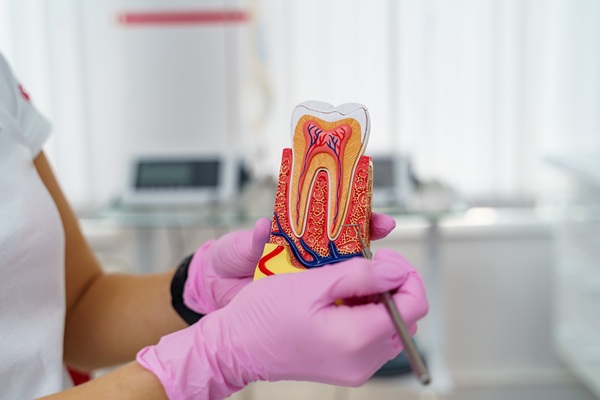
When it comes to preserving a damaged or decayed tooth, patients often hear about two common options: a root canal or a filling. Understanding the difference between the two can help clarify why a general dentist chooses a specific approach based on the condition of the tooth. While both aim to restore function and prevent further complications, the procedures serve very different purposes and address damage at different stages.
The role of a dental filling
Dental fillings are one of the most common restorative dental procedures general dentists perform. They use it to treat minor to moderate tooth decay that has not reached the inner pulp. During this process, the dentist removes the decayed portion of the tooth and fills the space with a durable material, such as composite resin, amalgam, or porcelain.
The goal of a filling is to stop the progression of decay and restore the normal shape and strength of the tooth. This method is typically quick, minimally invasive, and completed in a single appointment. Most patients with early signs of a cavity can benefit from a dental filling before the damage spreads deeper into the tooth.
Common signs that may suggest a dental filling include:
- Sensitivity to sweet foods or drinks
- A visible hole or pit in the tooth
- Localized discomfort when chewing
When a root canal becomes necessary
Dentists reserve root canals for more serious cavities, trauma, or tooth infections that impact the inner pulp chamber of a tooth. The pulp contains nerves, connective tissues, and blood vessels that keep the tooth "alive." When it becomes inflamed or infected, it can cause pain, sensitivity, or even abscess formation.
While it can be difficult for patients to know if they need a root canal, here are some of the most common indicators:
- Persistent or severe tooth pain
- Swelling near the gum line
- Discoloration of the tooth
- Prolonged sensitivity to heat or cold
These indicators suggest that the issue has reached the pulp and requires more comprehensive treatment to save the tooth.
This procedure involves removing the infected pulp, cleaning and shaping the inside of the tooth, and sealing the space with gutta-percha, a biocompatible material. Unlike a dental filling, the dentist must place a dental crown following a root canal to preserve the remaining natural structure of the tooth. A crown's purpose is to restore the look, function, and strength of a natural tooth, preventing it from becoming compromised or needing extraction.
Comparing time, cost, and recovery
In general, a dental filling is quicker and more affordable than a root canal. Most fillings take around 30 to 60 minutes, and patients resume normal activity almost immediately. Since the procedure involves minimal discomfort, recovery is usually uneventful.
A root canal requires more time due to the complexity of the treatment. It may involve one or two appointments, followed by a separate visit for crown placement. While this option is more of an investment in both time and cost, it often prevents the need for tooth extraction and replacement, making it a long-term solution. Of course, it is important to remember that final costs for both procedures will depend on whether the practice accepts each patient's insurance provider and how much of each procedure the insurance provider will cover.
Why preserving natural tooth structure matters
Saving the natural tooth whenever possible supports overall oral health. Both fillings and root canal treatments aim to avoid tooth loss, but the root canal plays a particularly important role when deeper damage occurs. A missing tooth can impact the bite, create gaps, and lead to jawbone loss over time. That is why dentists often recommend a root canal when extraction is the alternative.
General dentists adhere to modern techniques when performing all dental procedures, and fillings and root canals are no different. While their primary aim is to restore patients' oral health with these procedures, comfort is a close second. They will employ local anesthetics and topical numbing agents to prevent discomfort during either procedure, while allowing patients to return home without issue. Still, whether a tooth requires a simple filling or a more involved root canal, patients benefit from early intervention and regular dental exams that help detect problems before they worsen.
Call us for more information
Understanding the difference between a root canal and a filling helps patients make informed choices about their oral care. While both procedures restore function and protect against future damage, they serve different purposes depending on how deep the decay or injury reaches. To learn which option best suits your condition, contact our office for more information or to schedule an appointment.
Request an appointment here: https://lavernedentalimplant.com or call La Verne Dental & Implant Center at (909) 575-1034 for an appointment in our La Verne office.
Check out what others are saying about our dental services on Yelp: Root Canal Treatment in La Verne, CA.
Related Posts
An emergency dentistry office is accustomed to repairing trauma to teeth. This is one of the most frequent types of reasons why patients go. If you have had an accident and hurt one or more teeth, call an emergency dentist near you. Though you may be in pain and have risks for further problems, you…
If you experience a dental emergency like a knocked-out tooth or severe tooth pain, your best bet is to visit the emergency dentist. However, some people opt to visit the ER for such emergencies, eventually wasting time and money. It is more vital than ever to know where to go when you experience serious issues…
For some people, a dental checkup for teeth cleaning is a dreadful experience. The noise and probing are more than enough to make them stay away from any dental clinic. A dental cleaning is not at all painful or invasive. Knowing the steps in a regular dental cleaning may put patients at ease. Below are…
If you go to a dental clinic for a dental checkup, the dentist offers all kinds of treatment options. However, many of those treatments are common. That means dentists see patients every day for the same types of issues. Keep reading to learn more about these common treatments.A dentist has the knowledge and training to…