When Is Oral Surgery Necessary? Common Procedures Explained
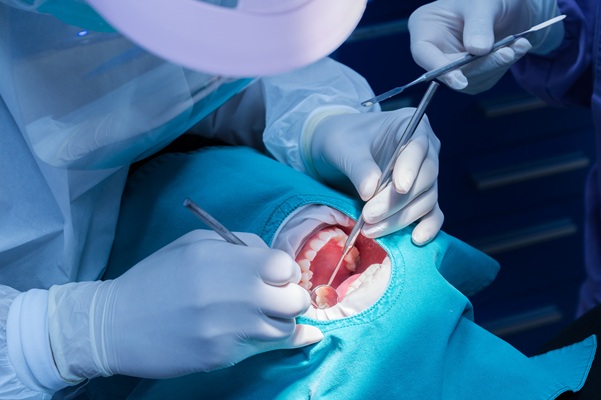
Oral surgery is a vital component of dental care, used to address complex oral health issues that require more than just routine dental procedures. While many people are familiar with dental cleanings and fillings, oral surgery becomes necessary when more invasive intervention is required. Understanding when oral surgery is necessary will help patients recognize the signs that may warrant such procedures and ensure they seek timely care to maintain their oral health.
Common situations requiring oral surgery
Several factors can lead to the need for oral surgery. These conditions range from trauma and infection to congenital issues or the progression of diseases. Oral surgery is often recommended when other treatments are ineffective, or conditions require a more targeted surgical approach. Below are some common situations where oral surgery may be necessary:
Tooth extraction
One of the most common reasons oral surgery is necessary is tooth extraction. This may be required when a tooth is severely decayed, damaged, or impacted. For example, wisdom teeth, the third set of molars, often must be removed due to impaction, infection, or lack of space in the mouth. In some cases, overcrowded teeth may require extraction to make room for orthodontic treatment or other dental procedures. In these cases, a general dentist or oral surgeon can perform the extraction, ensuring proper healing and recovery.
Dental implants
Dental implants are an increasingly popular solution for replacing missing teeth. Unlike traditional dentures or bridges, dental implants involve the placement of a titanium post into the jawbone to serve as a root for the replacement tooth. The process of placing a dental implant into the jaw requires oral surgery. It is often considered the most effective and durable method for tooth replacement, providing a permanent solution to missing teeth.
Treatment of oral infections
Severe infections in the mouth may require oral surgery to remove abscesses, cysts, or tumors. Dental infections can spread quickly if left untreated, potentially causing further damage to the teeth, gums, and jawbone. In some cases, surgical removal of the infected tissue is required to prevent the infection from worsening. The removal of abscesses, cysts, or tumors through oral surgery can help protect the surrounding tissues and prevent the infection from spreading to other parts of the body.
Corrective jaw surgery
Corrective jaw surgery may be necessary for patients with jaw misalignment. This procedure is typically performed to address conditions such as overbite, underbite, or other significant jaw alignment issues. Misaligned jaws can cause difficulty with chewing, speaking, and breathing. In these cases, oral surgery may be recommended to reposition the jaw, improving both function and appearance. This procedure can also help alleviate chronic pain caused by the misalignment.
Facial trauma and injury repair
Accidents or trauma to the face may cause fractures or dislocations of the jaw, teeth, or facial bones. Oral surgery is often required to repair these injuries, as traditional dental procedures may not be sufficient. In cases of broken or displaced teeth and fractures to the jawbone, oral surgeons are trained to use advanced techniques to restore the face and mouth to their natural state. Surgical intervention helps ensure proper healing and reduces the risk of complications, such as infection or misalignment.
Treatment for Temporomandibular Joint (TMJ) disorders
TMJ disorders can cause chronic pain and discomfort in the jaw and surrounding muscles. When conservative treatments such as physical therapy or medication do not alleviate the symptoms, oral surgery may be necessary. In severe cases, surgical procedures such as arthrocentesis or arthroscopy may be used to treat the affected joint. These procedures aim to restore proper function to the TMJ, relieving pain and improving the range of motion.
Recovery
Oral surgery recovery depends on the procedure and the patient’s overall health. While most people experience mild swelling or discomfort after surgery, these symptoms typically resolve within a few days. Patients may be prescribed pain medication or antibiotics to assist in the healing process and minimize the risk of infection. Carefully following post-operative instructions will help speed recovery and ensure the best possible outcome.
Learn more today
Oral surgery is necessary when dental issues are too complex or severe to be treated through routine procedures. From tooth extractions and dental implants to jaw surgery and injury repair, oral surgery offers effective solutions to a wide range of dental conditions. If you are experiencing any of the conditions outlined above, it is essential to consult with a dental professional to discuss potential oral surgery options.
To schedule a consultation, request an appointment on our website at https://lavernedentalimplant.com or call La Verne Dental & Implant Center at (909) 575-1034 for an appointment in our La Verne office.
Check out what others are saying about our dental services on Yelp: Oral Surgery in La Verne, CA.
Related Posts
Though dental implants are designed to be strong and long-lasting, they can still become damaged, but an implant dentist can assess the situation and provide the right solution. When you understand what causes implant damage, you can take steps to prevent it. Recognizing signs of a damaged implant and seeking prompt treatment is crucial to…
An implant dentist can help restore damaged tooth restorations by providing stable and long-lasting replacements. Implants can offer a reliable solution when a dental crown, bridge, or denture becomes loose, worn, or damaged. Implants support restorations by anchoring them securely to the jawbone, improving function and appearance. Understanding how an implant dentist can assist with…
An implant dentist provides a reliable and long-lasting solution for missing teeth through dental implants. This process involves multiple steps to ensure the implant integrates successfully with the jawbone, providing a stable foundation for a natural-looking restoration. Understanding each stage of the dental implant process helps patients feel confident in their treatment plan and long-term…
Getting dental implants is a big step, and finding the right implant dentist is an important part of the process. Understanding what to expect before, during, and after the procedure can make the journey easier. Therefore, asking the right questions can help ensure the best outcome and a smooth experience.Not everyone is a good candidate…